Gegen Hass und Für Rechte
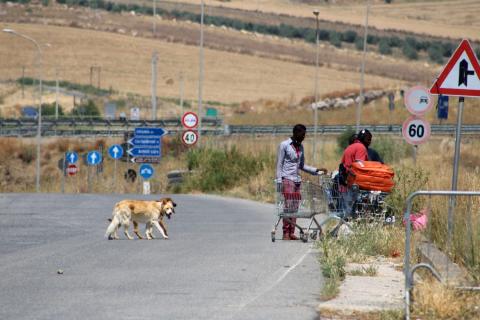
Fast eine Millionen (Süd-)Sudanes*innen sind hierhin geflohen, sowie Menschen aus Syrien und den anderen Kriegsgebieten am Horn von Afrika.
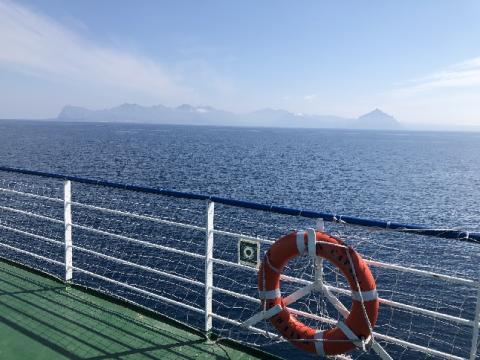
Der Weg nach Europa bleibt versperrt: die EU hat Millionen Euros investiert, um ein Abkommen mit Ägypten zu schließen, das diese Grenze sichert: Nun gibt es ein Asylgesetz, dass den Menschen jedoch keine Sicherheit gibt.
Our Solidarity Project, Madad
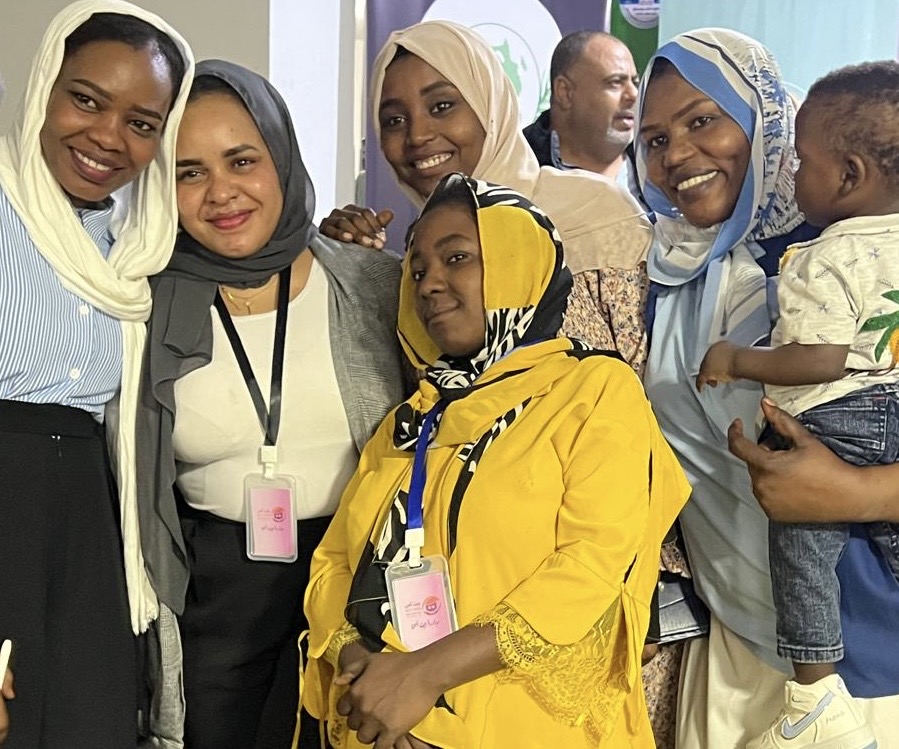
Madad Initiative for Supporting Marginalized Groups is a women-led grassroots initiative in Cairo and Alexandria, Egypt, founded in 2023 by one of our scholarship recipients, Egyptian journalist Shimaa Samy. Madad supports refugee and migrant women, especially Sudanese women, who must rebuild their lives and those of their families in Egypt.
Madad works in a very difficult context. Egypt now hosts more than one million registered refugees and asylum seekers, around three quarters of them from Sudan, and the government estimates that 1.2 million Sudanese have arrived since the war broke out in April 2023.
At the same time, the humanitarian response is severely underfunded. In early 2026, UNHCR had received only around 22 percent of the funding it needs in Egypt. Since late 2025, human rights organisations have documented arbitrary arrests of refugees on the streets and at workplaces, including people holding valid UNHCR cards, as well as unlawful deportations.
Many families now keep their children out of school and avoid going to work for fear of arrest. These pressures fall on top of a deep economic crisis. Inflation reached 13 percent in July 2026, and rents rose by more than a quarter within one year. Women carry the heaviest burden. Almost three quarters of Sudanese refugees in Egypt are women and children, many households are headed by women, and many women survived sexual violence in Sudan without ever receiving medical or psychological care. They often face rejection when they try to enroll their children in school or seek medical care, and psychosocial and gender based violence services remain very limited.
Madad is built on the participation of the communities it serves. It is led by women, and its team of five staff members and seven volunteers comes from these communities. The women themselves are involved in every activity and project, from identifying needs and planning to implementation and evaluation. Responsibilities are shared across a network rather than concentrated in one office, which allows Madad to stay close to the people it works with and to adapt quickly when the situation changes. Since its founding, Madad has reached around 5,000 women.
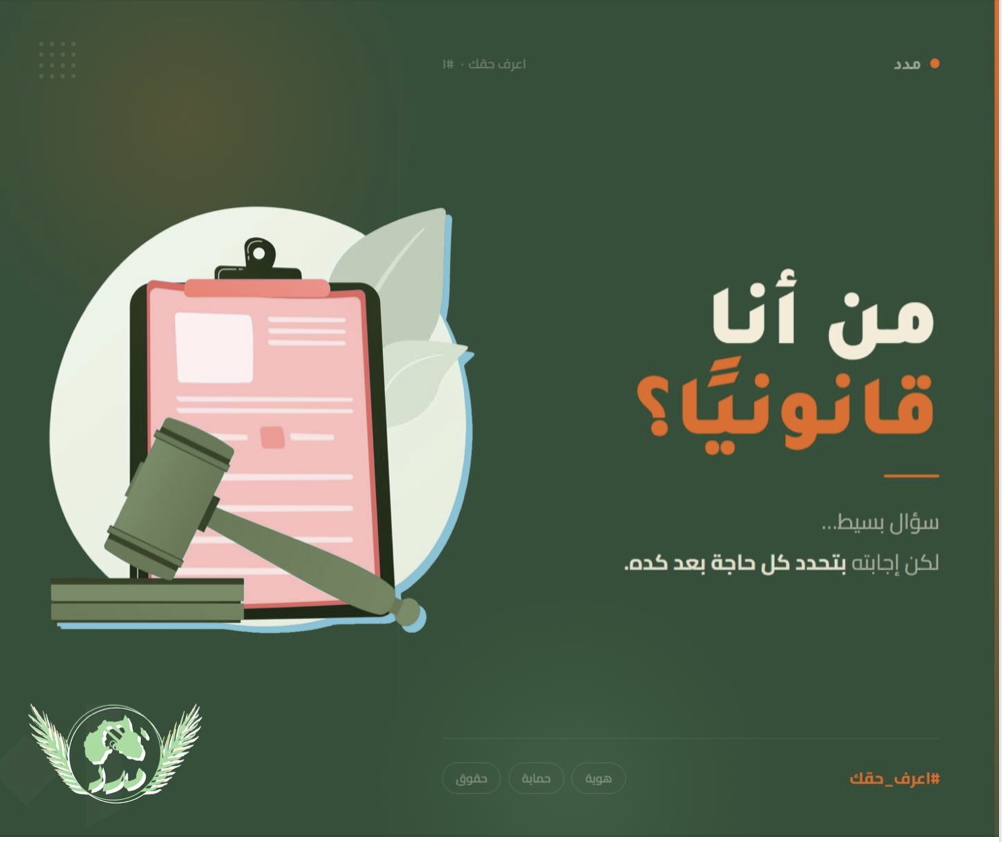
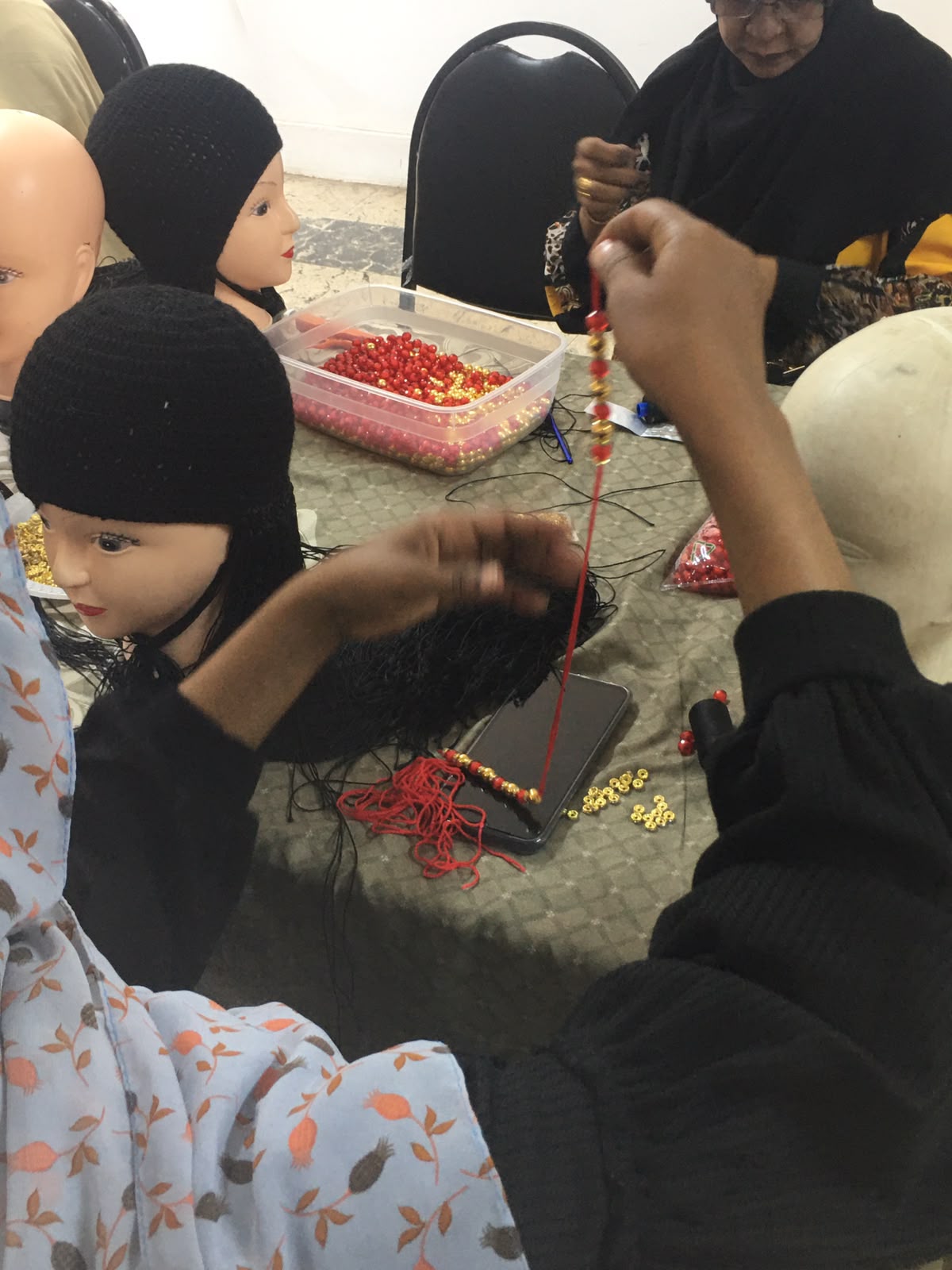
Madad offers legal advice and support, psychosocial and health support, social counselling, and digital safety. It also runs awareness and know your rights campaigns that explain refugees’ rights in simple language, training, documentation, as well as cultural and creative activities such as crafts and creative writing workshops and film nights. These activities are not only a break from daily hardship, but they also build trust, connect women with each other, and open the door to legal and psychological support.
In 2026 alone, Madad ran more than five advocacy campaigns that reached more than 60,000 people, received more than 60 legal support requests, more than 50 psychological and health support cases and more than 20 social support requests, and distributed more than 150 hygiene kits and sanitary products to women.
Madad works with grassroots initiatives and with partners in Egypt, Sudan, the wider MENA region, and Germany. It has delivered several projects together with these partners and grows in small, steady steps, with one aim: to remain a voice for those who are rarely heard.
Madad is above all a safe space where women meet, share their experiences, and work together to improve their situation.
Weitere Informationen zu dem Projekt:
https://euobserver.com/25509/egypts-new-asylum-law-aided-by-eu-support-fuelled-by-repression/
https://euobserver.com/11308/sudanese-refugee-women-caught-between-egypts-borders-and-europes-funds/
https://heimatkunde.boell.de/en/2025/06/20/between-borders-bureaucracies-and-resistance-two-sudanese-women-cairo