Sudanese in Germany

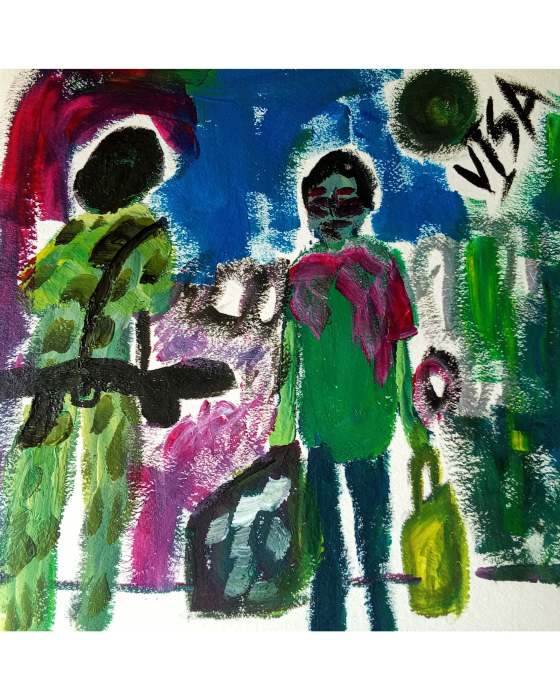
By the time Sudanese refugees reach Germany, they have survived a multi‑country chain of trauma shaped by war, border militarisation, and the absence of safe pathways. Yet arrival does not mark the end of instability. Germany receives only 50–100 Sudanese asylum requests per month, and most applicants are granted short‑term humanitarian permits in the form of subsidiary protection that do not reflect the protracted nature of Sudan’s conflict. Family reunification remains largely suspended, access to study and work pathways is limited, and many are placed in remote camps with reduced integration support. At the same time, the Sudanese community in Germany carries the emotional and financial burden of supporting families trapped in Egypt, Libya, Chad, and Sudan. Understanding these escape routes - and the political forces shaping them - is essential for assessing the protection gaps Sudanese refugees face in Germany and for designing policies that respond to their lived realities rather than the narrow lens of arrival statistics.

Language(s): Englisch / English
Publisher: Khadiga Mustafa/ Emma Brococoli

publications

Show all


Sudanes Refugees in Egypt - Risk of Restrictive Policies

he new Asylum Act and existing border management policies exacerbate risks. By permitting arbitrary detention and deportations under the pretext of national security, these measures have created an environment in which the fundamental rights of refugees are systematically disregarded.
Language(s): Englisch / English

What exactly is Europe paying for in Libya?

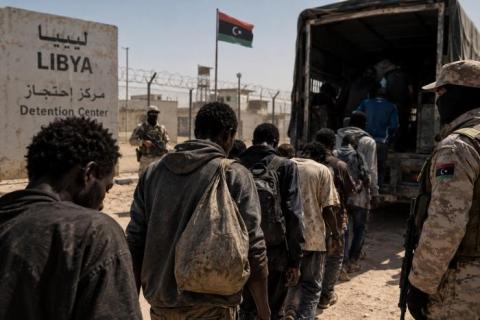
In den letzten Monaten wurden Tausende von Flüchtlingen und Migranten von der libyschen Regierung an die Grenzen oder in die Wüste abgeschoben oder sind in unbekannten Haftanstalten verschwunden. Gleichzeitig verspricht die EU-Kommission der libyschen Regierung neue Gelder. Die EU behauptet, ihr Geld rette Leben, schütze Schutzbedürftige und bekämpfe Schleuser. Ihre eigenen Rechnungsprüfer, ihr eigener Bürgerbeauftragter und eine UN-Untersuchungsmission haben jedoch jeweils festgestellt, dass Brüssel dies weder nachweisen kann noch will. Wofür genau bezahlt Europa also in Libyen? Weiß es, wo sein Geld landet, und überprüft das überhaupt jemand?
Language(s): Englisch / English

Building Borders from Afar

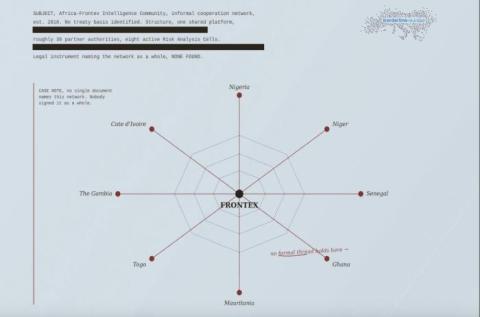
AFIC does not patrol a border or fly a drone.The Africa-Frontex Intelligence Community does something quieter and, in some ways, more durable. It builds the intelligence architecture that other, more visible forms of externalisation rely on. Understanding it means understanding how the EU's border has learned to project itself outward without ever formally crossing a line on a map.
Language(s): Englisch / English